What is a meme? Explained using well known examples
By teamnext Editorial Team
A common short definition is:
A meme is a humorous image combined with a short caption that spreads virally across social networks and messaging services.
In 2011, for example, a selfie taken by a crested macaque became an internet meme.
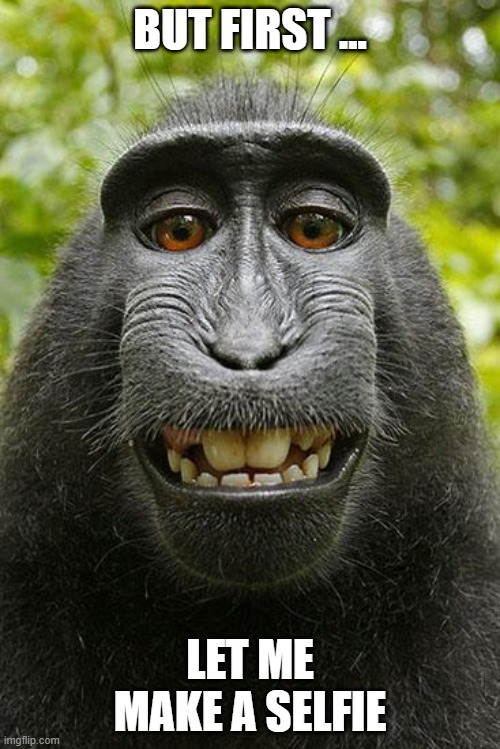
The image plus text format is the most common, but memes are not tied to one medium. Frequent formats include:
• silent motion content, animated GIFs
• short video clips with audio
• text only, written or spoken as an audio file
Memes also appear in video games and as graffiti. New memes can enter youth slang and influence vocabulary within specific groups.
In one sentence:
Memes are inside jokes that emerge online and spread virally.
Platforms that focus heavily on meme culture include 9gag and imgur. Parts of Reddit and Twitter communities also produce memes at high frequency. Another example is the party game What Do You Meme?®, which has been popular for years.
A short history of the term
Brief academic note.
Memes existed before the term became widely used. In the 19th century, newspapers acted as a major carrier for comparable content. Similar jokes and drawings also appeared in ancient graffiti.
The term mem has roots in Ancient Greek and is linguistically related to imitation. The English term meme has been in use since the late 1970s. It became widely known through evolutionary biologist Richard Dawkins and his 1976 book The Selfish Gene.

In Dawkins’ work, the meaning was different from the internet meme. Meme functions as a counterpart to gene:
• genes carry biological information
• memes are proposed as units of cultural information
The theory is disputed. The term was later adopted in digital culture and narrowed to describe the internet phenomenon.
Know your meme: Disctracted Boyfriend
A widely known image caption meme is Disctracted Boyfriend. The motif includes three roles:
• a man looking at a passerby
• a girlfriend catching him
• the passerby as the trigger
An early version that accelerated its spread in 2017 used a stock photo with casual models. The image was created by Spanish photographer Antonio Guillem and can be licensed via Shutterstock or Adobe Stock.
The motif is often used to illustrate shifting priorities, infidelity, betrayal, or reorientation. The logic remains stable. Captions are replaced, enabling endless variations.
How a meme is created
Professional tools are not required. Online generators exist, for example imgflip. A workflow with licensing support can be built with Adobe Express combined with Adobe Stock.
Legal aspects matter. Many memes are based on copyrighted material, which makes the copyright section essential.
What makes a meme work
Disctracted Boyfriend works because it offers a simple structure:
• clear conflict
• obvious facial expressions and gaze direction
• fast decoding
Formal factors support distribution:
• small file size
• common formats such as JPEG
• low friction for copying and sharing
A practical checklist follows:
• easy to decode
• widely transferable to new contexts
• low replication friction
• humor as the core driver
Imitation and replication
Replication means copying without change. Imitation includes change. In meme culture, imitation is often the key mechanism:
• an existing motif is reused
• meaning shifts through captions or edits
• the original motif remains recognizable
Recognition is part of the function. Without it, the meme loses its core mechanism.
Are memes covered by copyright law?
Yes. Many memes rely on copyrighted works. In principle:
• using third party content requires rights clearance
• this applies to modification and distribution in meme contexts as well
In practice, this is often ignored. Rights holders may benefit indirectly through additional visibility. Legal risks also arise beyond copyright, especially:
• personality rights, including the right to one’s image
• criminally relevant content, for example hate speech or unconstitutional propaganda
Enforcement has become more consistent in recent years in many areas, especially regarding hate content and violations of personality rights.
Memes in marketing
Memes are also used as a marketing tool. Attempts often fail when commercial intent is too obvious. Meme culture tends to reward cultural fit rather than overt advertising.
A frequently cited example is Sixt, with meme based communication visible on the company’s official Facebook page.